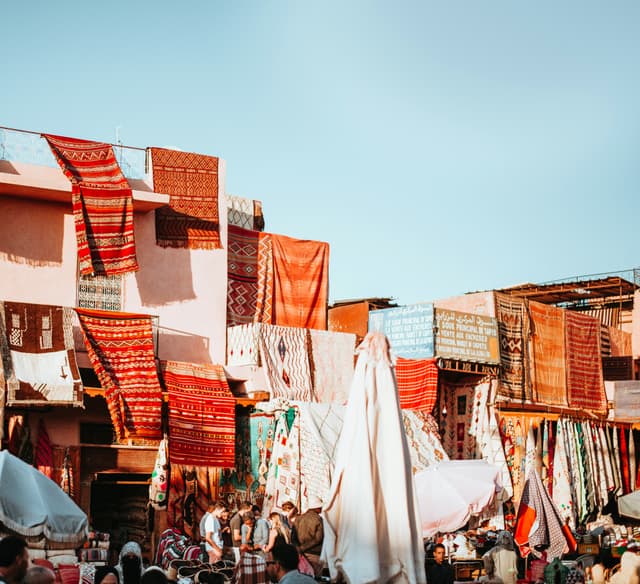
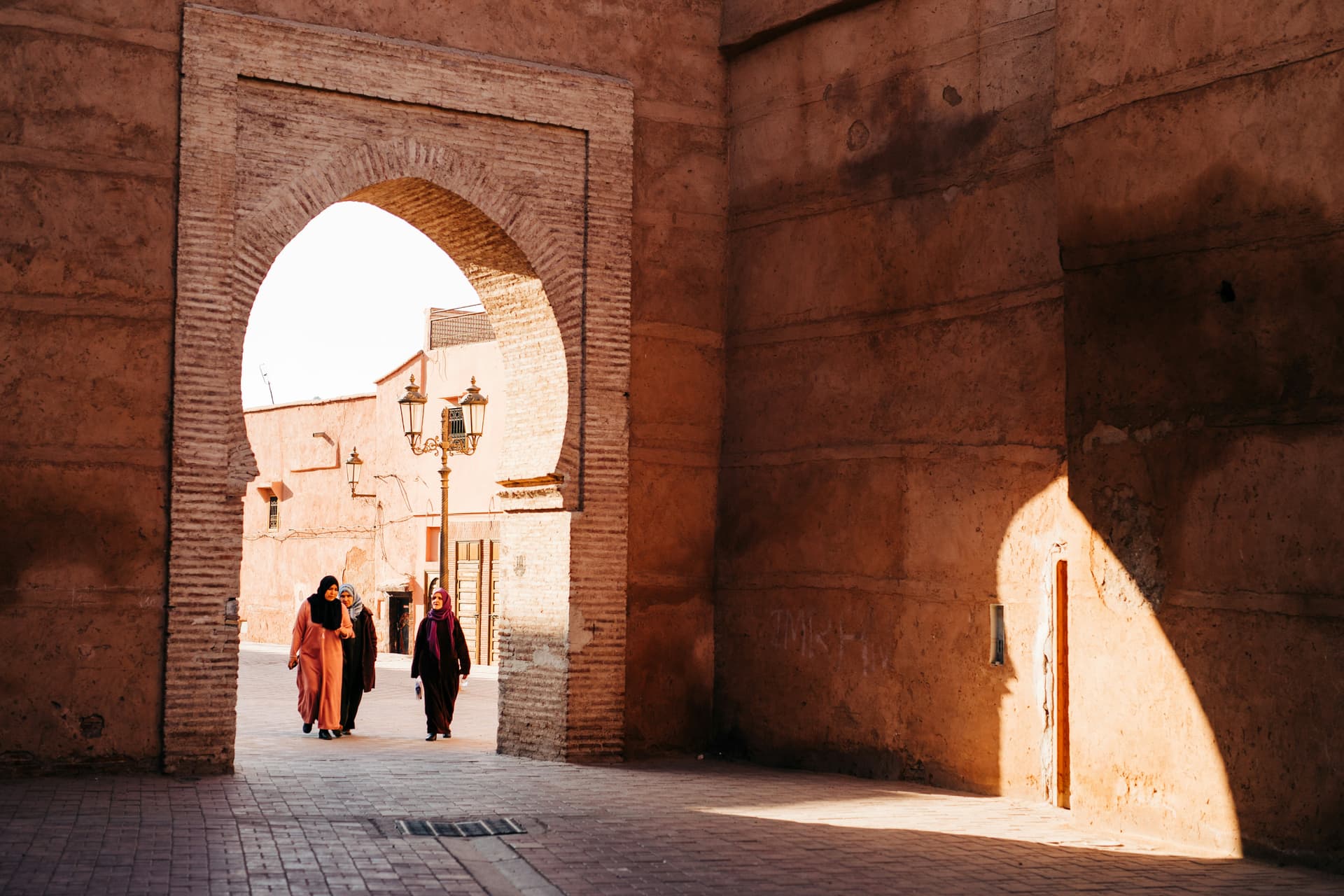
"Is Marrakech safe?" is one of the most common questions first-time visitors ask — and it deserves an honest answer rather than either scaremongering or empty reassurance. The short version: yes, Marrakech is a safe destination for tourists, visited by millions every year, but like any busy city it rewards a little preparation. Here's the realistic picture for 2026.
The Short Answer
Marrakech is open, fully operational, and welcoming visitors in record numbers. Violent crime against tourists is uncommon. Most Western governments list Morocco at their standard, low-risk advisory level — the U.S. State Department currently rates it Level 1: Exercise Normal Precautions, the same tier as most popular European destinations. (Advisories can change, so it's always worth checking your own government's latest guidance before you fly.)
The realistic concerns are petty theft and persistent touts and scams — annoyances more than dangers, and easily managed once you know what to expect.
Is It Still Safe After the 2023 Earthquake?
Yes. The September 2023 Al Haouz earthquake struck the mountains southwest of the city, and while it caused real damage in some rural villages, Marrakech itself came through largely intact. The tourist infrastructure — riads, restaurants, the Jemaa el-Fnaa square, and the souks — is fully operational. A handful of historic monuments needed restoration, but the city recovered faster than many expected, and 2025–2026 have seen visitor numbers climb back to record highs.
Crime: What to Actually Watch For
The most common issue is petty theft — pickpocketing and bag-snatching in crowded medinas, souks, and busy squares. This is entirely comparable to Barcelona, Rome, or Paris, and avoided with the same common sense:
- Use a crossbody bag worn to the front in crowds
- Keep your phone and wallet out of easy reach
- Don't flash expensive jewellery, cameras, or large amounts of cash
- Stay aware in tight, crowded souk lanes where people brush past you
Violent crime targeting tourists is rare. The overwhelming majority of visits are completely trouble-free.
Common Scams (and How to Handle Them)
Marrakech's scams are rarely dangerous — they're aimed at your wallet, and a firm, polite "no thank you" defuses most of them.
- "This way is closed / the square is that way" — a stranger insists your route is blocked and offers to guide you, then demands money or leads you to a shop. Ignore unsolicited directions; use your phone's map.
- Unofficial "guides" — someone attaches themselves to you in the medina and expects payment. Only use licensed guides arranged through your riad or a reputable operator.
- Henna ladies — women who grab your hand and start applying henna, then demand payment. Keep your hands to yourself and walk on.
- Photos with snake charmers or monkeys in Jemaa el-Fnaa — expect an aggressive fee if you stop or photograph them.
- Taxi overcharging — petit taxis should use the meter; airport taxis are notorious for inflating fares with tourists.
Getting Around Safely
Transport is where most first-day stress happens, so it's worth planning:
- Petit taxis (in-city): insist on the meter, or agree the price before getting in.
- Ride-hailing apps work in Marrakech and are a good option after dark — see our guide on Uber and Bolt in Marrakech.
- From the airport: this is the single most common point where tired new arrivals get overcharged. A pre-booked private transfer removes the haggling entirely — a named driver meets you, the price is fixed in advance, and you go straight to your riad. See Marrakech airport taxi prices and how to get from the airport to the Medina.
Arriving at night, jet-lagged, into an unfamiliar city is exactly when a fixed-price, door-to-door transfer is worth it most.
Is Marrakech Safe for Solo Female Travellers?
Many women travel solo in Marrakech every year and have a wonderful time — but it's honest to say street harassment is the most common frustration. This is usually verbal (catcalling, persistent attention) and rarely escalates beyond that, but it can be tiring.
Precautions that make a real difference:
- Dress modestly — shoulders and knees covered goes a long way
- Walk with purpose and avoid engaging with catcalls; a confident "no" and continuing to walk works best
- Use ride-hailing or a private driver after dark rather than walking alone through quiet lanes
- Stay in a riad with 24-hour staff who can arrange guides and transport
- Consider a licensed guide for your first day to get oriented
Is Marrakech Safe for Families?
Yes — Marrakech is a popular family destination. Moroccans are generally warm and welcoming towards children. The main practical considerations are the heat (especially in summer), busy uneven medina streets with mopeds, and keeping young children close in crowds. Private transfers with the right vehicle size make arriving with luggage and kids far less stressful than squeezing into a small taxi.
Quick Safety Checklist
| Concern | Reality | What to Do |
|---|---|---|
| Violent crime | Rare against tourists | Normal precautions |
| Pickpocketing | Main risk, in crowds | Crossbody bag, stay aware |
| Scams & touts | Common, low-danger | Polite firm "no", ignore unsolicited help |
| Airport taxi overcharging | Very common | Pre-book a fixed-price transfer |
| Solo female harassment | Mostly verbal | Modest dress, walk with purpose, transport after dark |
Emergency Numbers
- Police (city): 19
- Ambulance / SAMU: 15
- Gendarmerie (outside cities): 177
Marrakech also has a dedicated tourist police presence around Jemaa el-Fnaa.
The Bottom Line
Marrakech is a safe, extraordinary city to visit in 2026 — the concerns are manageable annoyances, not real dangers. A little awareness in crowds, a firm hand with touts, and sorting your transport in advance is genuinely all it takes to relax and enjoy the place.
Start Your Trip Stress-Free
The easiest way to begin on the right foot is a smooth, fixed-price arrival. KechTransfer offers professional private airport transfers in Marrakech — a named driver waiting for you, no haggling, straight to your accommodation.